Developer builds lightweight personal agent with Claude
A new minimalist methodology for building personal AI agents using local markdown files and Git version control offers developers a lightweight alternative to complex database memory systems.
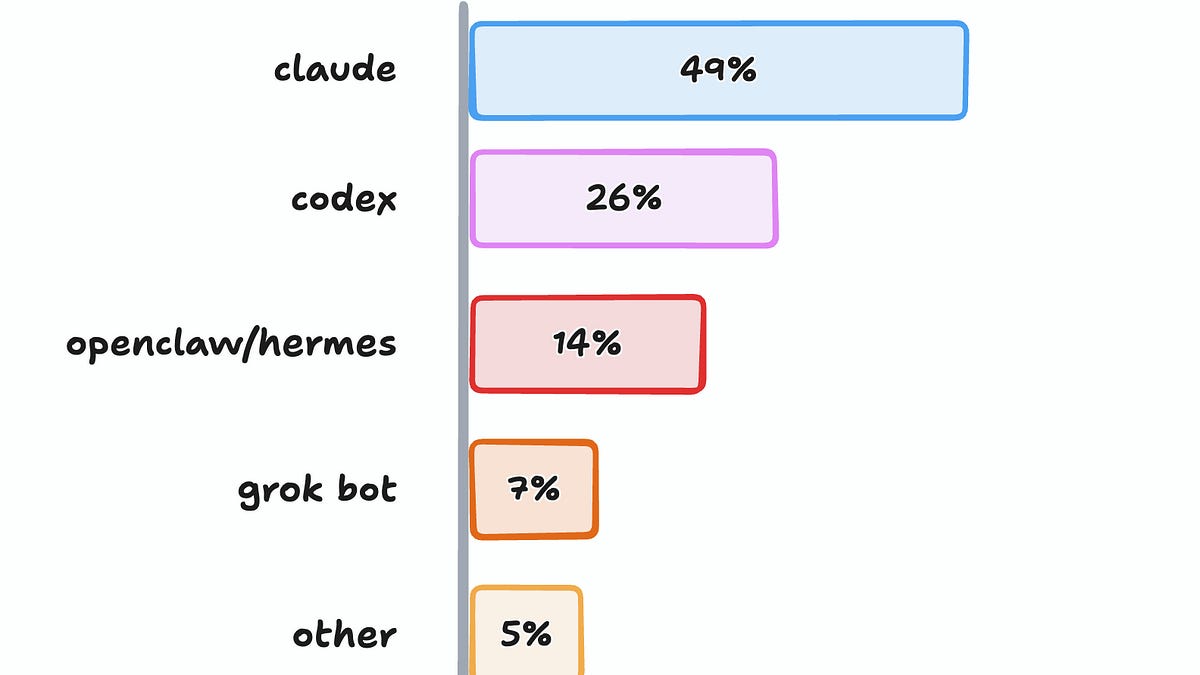
A new minimalist methodology for configuring personal AI agents demonstrates how developers can bypass complex database-driven memory systems in favor of local markdown files and Git version control. Built in response to a survey where approximately 700 practitioners expressed interest in personal agents—with about 50 percent specifically requesting Claude integrations—this approach structures an agent's environment using a simple local directory.
The setup utilizes a folder containing specific markdown files to guide the AI. An AGENTS.md file holds the primary instructions and redirects tools like Claude via a CLAUDE.md file. A code.md file outlines development preferences for platforms like Vercel and Supabase, while a memory.md file points to files containing personal context. During testing with Codex, a coding-focused agent variant, the developer opted to use Git version control for the repository. This allowed the agent to track changes through commits and diffs, eliminating the need for a separate log.md file.
To solve the common issue of AI memory over-steering and limiting brainstorming, the methodology rejects automatic memory logging. Instead of building a local SQLite database to track chat sessions, the setup relies on the agent's ability to search past sessions stored in hidden local directories, such as ~/.agents, ~/.codex, or ~/.claude. This keeps the active context window clean and prevents the agent from giving overly biased responses.
For AI practitioners, this lightweight framework replaces complex multi-bot platforms with a single agent that uses modular skill.md files for specific repeatable tasks. This file-based architecture ensures complete user control and works seamlessly across different platforms, including Claude Cowork and ChatGPT Work, by keeping instructions transparent and easily editable.
This is our own summary of reporting by Ben's Bites