AT&T Routes 40 Percent of Employee AI Work to Open Models
Telecom giant AT&T is shifting 40 percent of its internal AI traffic to cheaper open-source models, demonstrating how automated routing can slash enterprise technology costs.
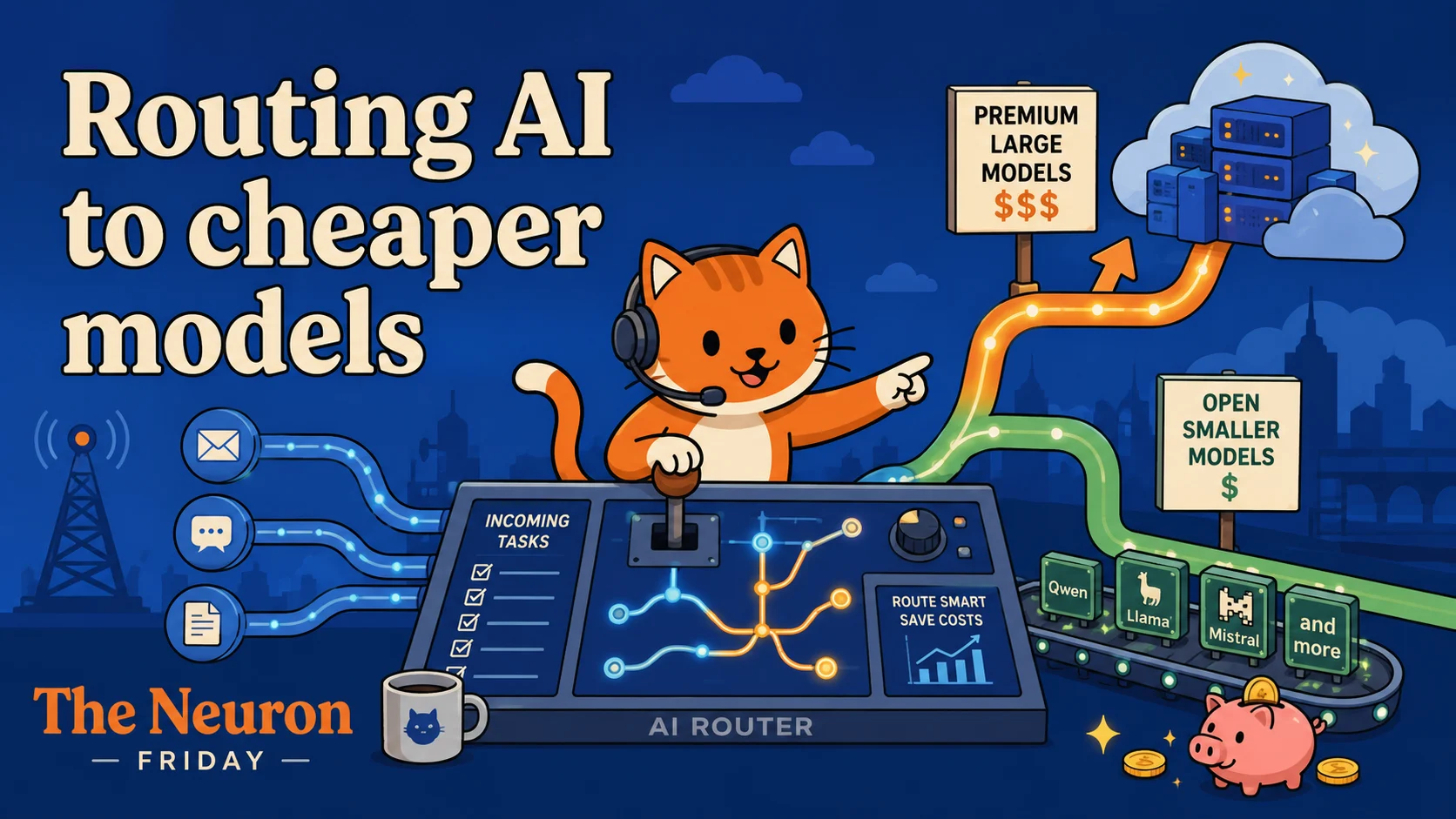
AT&T has begun shifting a significant portion of its internal artificial intelligence workload away from expensive proprietary systems toward cheaper open-source alternatives. According to industry reports, the telecommunications giant is already routing 40 percent of its employee AI usage to open models. By transitioning its coding tasks to these open models, the company managed to cut its expenses by 56 percent while experiencing only a minor 2 percent tradeoff in quality.
This strategic pivot aims to keep AT&T's spending flat with major AI providers like OpenAI and Anthropic. Reports from The Information indicate that using smart routing techniques has reduced costs by 80 to 90 percent for certain internal applications. Instead of relying on a single premium model for every basic summary or analysis, the company dynamically directs simpler tasks to self-hosted open models and reserves high-end proprietary systems for highly complex workloads.
The shift at AT&T reflects a broader industry trend toward model routing and optimization. Other players are rapidly entering this space, highlighted by Stripe's massive 7 billion dollar acquisition of Openrouter. Additionally, the fintech firm Ramp recently introduced its own tool called Router to select models based on cost, difficulty, or test scores, while startup Callosum secured 100 million dollars in funding to optimize model and chip combinations for individual queries.
For enterprise developers and IT practitioners, this evolution changes the deployment strategy from a rigid, single-provider stack to a flexible, per-task decision. To successfully implement this approach, teams must establish clear benchmarks to define what constitutes acceptable quality for a given task. Without precise internal measurements, routing algorithms risk delivering inconsistent results, but when managed correctly, they allow organizations to dramatically scale their AI capabilities without exponential budget growth.
This is our own summary of reporting by The Neuron

%22%3E%0A%3Cstop%20offset%3D%220%25%22%20stop-color%3D%22%23233043%22%2F%3E%3Cstop%20offset%3D%22100%25%22%20stop-color%3D%22%234c6180%22%2F%3E%0A%3C%2FlinearGradient%3E%3C%2Fdefs%3E%0A%3Crect%20width%3D%22800%22%20height%3D%22500%22%20fill%3D%22url(%23g)%22%2F%3E%0A%3Cg%20stroke%3D%22%23ffffff%22%20stroke-opacity%3D%220.10%22%20stroke-width%3D%222%22%3E%0A%3Cline%20x1%3D%22-200%22%20y1%3D%22500%22%20x2%3D%22100%22%20y2%3D%220%22%2F%3E%3Cline%20x1%3D%22-60%22%20y1%3D%22500%22%20x2%3D%22240%22%20y2%3D%220%22%2F%3E%3Cline%20x1%3D%2280%22%20y1%3D%22500%22%20x2%3D%22380%22%20y2%3D%220%22%2F%3E%3Cline%20x1%3D%22220%22%20y1%3D%22500%22%20x2%3D%22520%22%20y2%3D%220%22%2F%3E%3Cline%20x1%3D%22360%22%20y1%3D%22500%22%20x2%3D%22660%22%20y2%3D%220%22%2F%3E%3Cline%20x1%3D%22500%22%20y1%3D%22500%22%20x2%3D%22800%22%20y2%3D%220%22%2F%3E%3Cline%20x1%3D%22640%22%20y1%3D%22500%22%20x2%3D%22940%22%20y2%3D%220%22%2F%3E%3Cline%20x1%3D%22780%22%20y1%3D%22500%22%20x2%3D%221080%22%20y2%3D%220%22%2F%3E%0A%3C%2Fg%3E%0A%3Ctext%20x%3D%2248%22%20y%3D%22430%22%20font-family%3D%22Helvetica%2CArial%2Csans-serif%22%20font-size%3D%22132%22%20font-weight%3D%22800%22%0A%20fill%3D%22%23ffffff%22%20fill-opacity%3D%220.22%22%20letter-spacing%3D%22-4%22%3ETD%3C%2Ftext%3E%0A%3C%2Fsvg%3E)

