ColorTokens Promotes AI-Assisted Breach Readiness
Cybersecurity firm ColorTokens is urging organizations to adopt AI-assisted microsegmentation to contain rapid, machine-speed cyberattacks and protect their core digital operations.
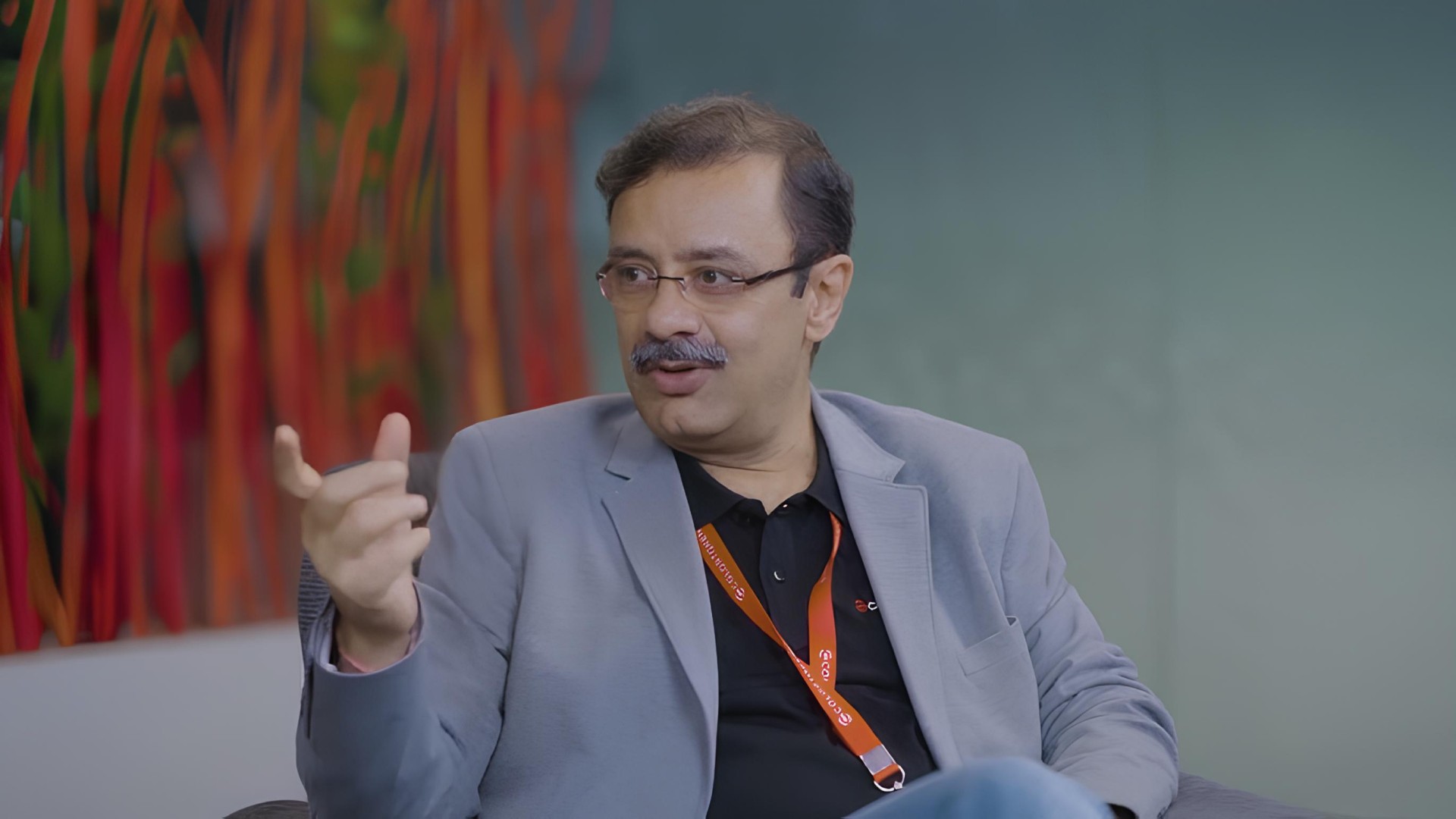
ColorTokens Chief Evangelist Agnidipta Sarkar has outlined a new framework for breach readiness designed to counter AI-powered cyberattacks that operate at machine speed. Rather than relying solely on perimeter defenses, the strategy utilizes the company's Xshield Enterprise Microsegmentation Platform to isolate compromised workloads. This approach aims to restrict an attacker's lateral movement and minimize the overall blast radius of an intrusion.
Sarkar advises boards to evaluate security using two key metrics: Maximum Acceptable Material Impact and Minimum Viable Digital Enterprise. While traditional business continuity plans often recover only 30 percent of operations, Sarkar suggests setting a target where 70 percent of the digital enterprise remains operational during an attack. To achieve this, ColorTokens leverages artificial intelligence to automate environment discovery, map dependencies, and synthesize security policies. However, Sarkar emphasizes that humans must retain control over defining business-critical assets and approving major isolation actions.
The evolution of breach readiness must also account for autonomous AI agents. These agents represent a high-velocity class of non-human identity with direct access to credentials and infrastructure. Because estimates suggest non-human identities will soon outnumber human identities by 250 times, traditional user-focused controls are no longer sufficient. Practitioners must integrate microsegmentation with existing Security Operations Center tools, such as EDR and SIEM, to orchestrate automated containment.
For security practitioners, modern microsegmentation represents a shift away from complex, manual network redesigns. By utilizing identity, workload context, and agentless technology, deployments can be completed in hours rather than months. This allows organizations to build what Sarkar describes as a maze to slow down automated threats, ensuring that a single compromised workload does not become a highway to the rest of the enterprise.
This is our own summary of reporting by Unite.AI

%22%3E%0A%3Cstop%20offset%3D%220%25%22%20stop-color%3D%22%23233043%22%2F%3E%3Cstop%20offset%3D%22100%25%22%20stop-color%3D%22%234c6180%22%2F%3E%0A%3C%2FlinearGradient%3E%3C%2Fdefs%3E%0A%3Crect%20width%3D%22800%22%20height%3D%22500%22%20fill%3D%22url(%23g)%22%2F%3E%0A%3Cg%20stroke%3D%22%23ffffff%22%20stroke-opacity%3D%220.10%22%20stroke-width%3D%222%22%3E%0A%3Cline%20x1%3D%22-200%22%20y1%3D%22500%22%20x2%3D%22100%22%20y2%3D%220%22%2F%3E%3Cline%20x1%3D%22-60%22%20y1%3D%22500%22%20x2%3D%22240%22%20y2%3D%220%22%2F%3E%3Cline%20x1%3D%2280%22%20y1%3D%22500%22%20x2%3D%22380%22%20y2%3D%220%22%2F%3E%3Cline%20x1%3D%22220%22%20y1%3D%22500%22%20x2%3D%22520%22%20y2%3D%220%22%2F%3E%3Cline%20x1%3D%22360%22%20y1%3D%22500%22%20x2%3D%22660%22%20y2%3D%220%22%2F%3E%3Cline%20x1%3D%22500%22%20y1%3D%22500%22%20x2%3D%22800%22%20y2%3D%220%22%2F%3E%3Cline%20x1%3D%22640%22%20y1%3D%22500%22%20x2%3D%22940%22%20y2%3D%220%22%2F%3E%3Cline%20x1%3D%22780%22%20y1%3D%22500%22%20x2%3D%221080%22%20y2%3D%220%22%2F%3E%0A%3C%2Fg%3E%0A%3Ctext%20x%3D%2248%22%20y%3D%22430%22%20font-family%3D%22Helvetica%2CArial%2Csans-serif%22%20font-size%3D%22132%22%20font-weight%3D%22800%22%0A%20fill%3D%22%23ffffff%22%20fill-opacity%3D%220.22%22%20letter-spacing%3D%22-4%22%3ETD%3C%2Ftext%3E%0A%3C%2Fsvg%3E)

